
Handles vs Handleless: Which Kitchen Style Is Right for You?
The handles vs handleless debate is one of the biggest decisions in kitchen design. We break down the pros and cons of each to help you decide.
Handles vs Handleless Kitchen Doors
One of the first decisions you will face when designing your kitchen is whether to go for traditional handles or a sleek handleless design. Both have their merits — here is what you need to know:
The Case for Handles
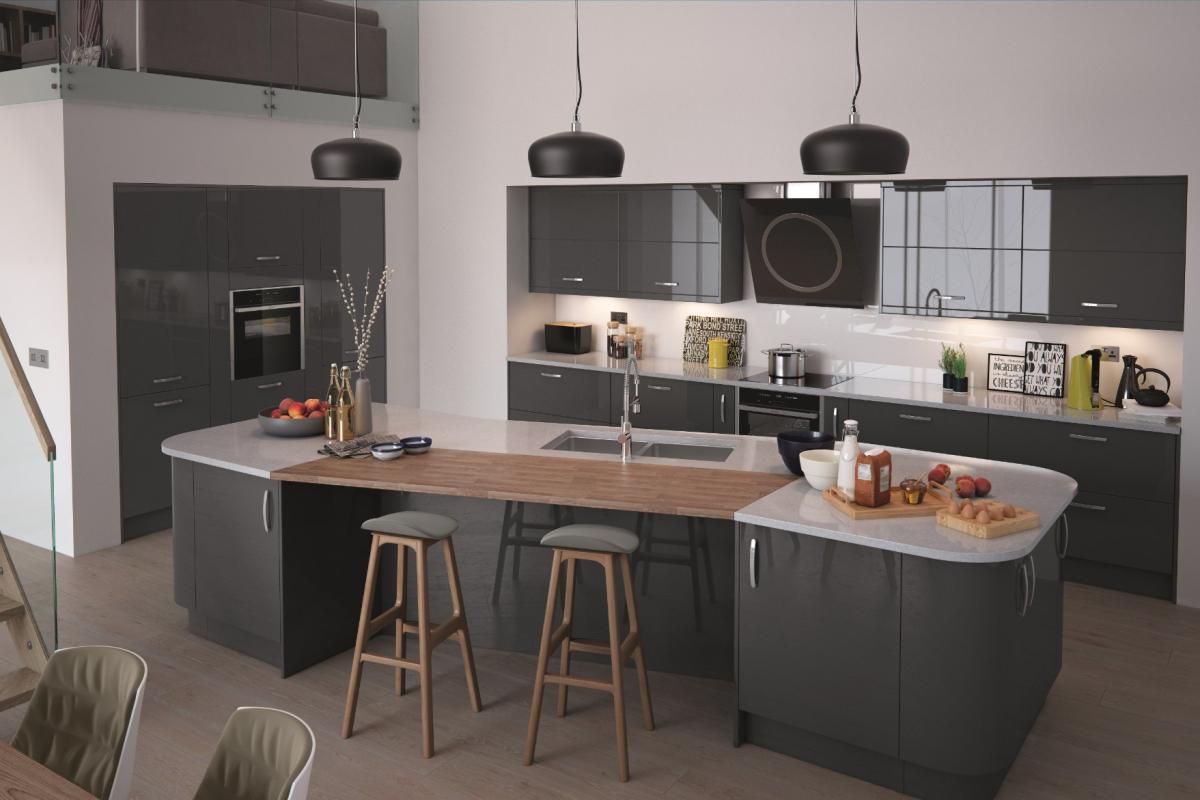
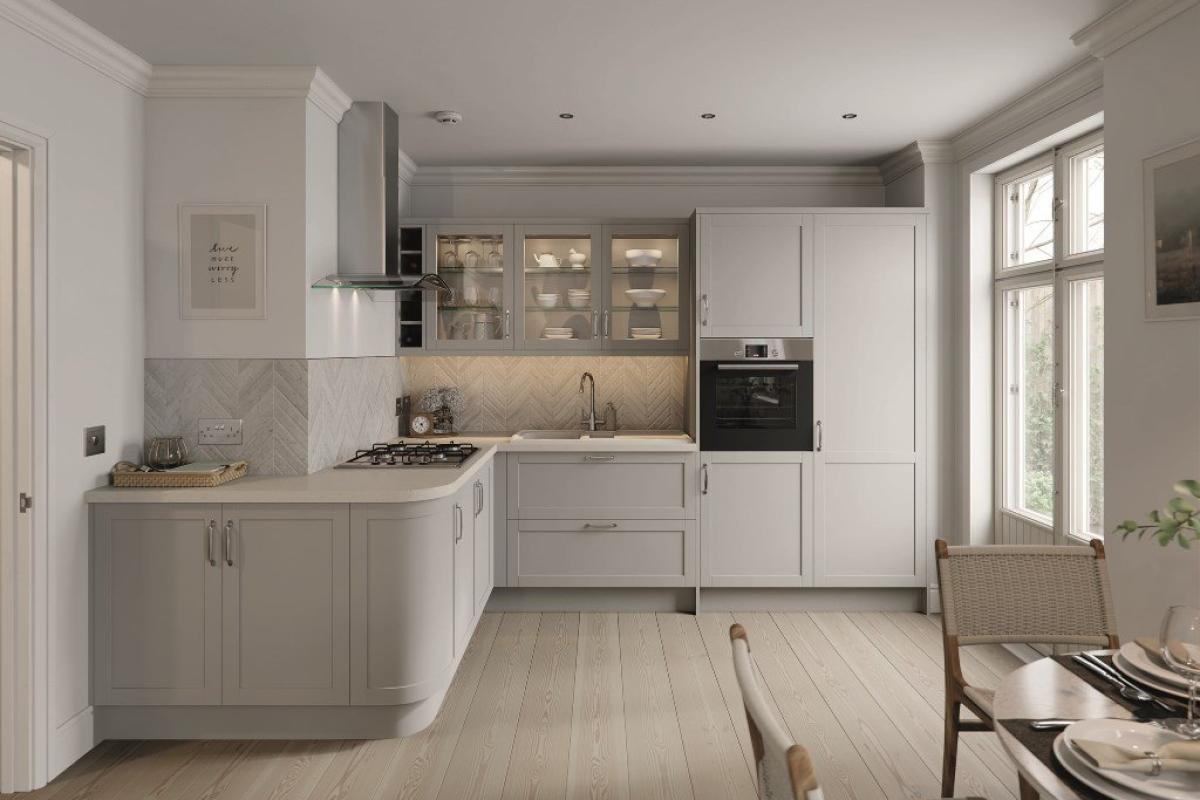
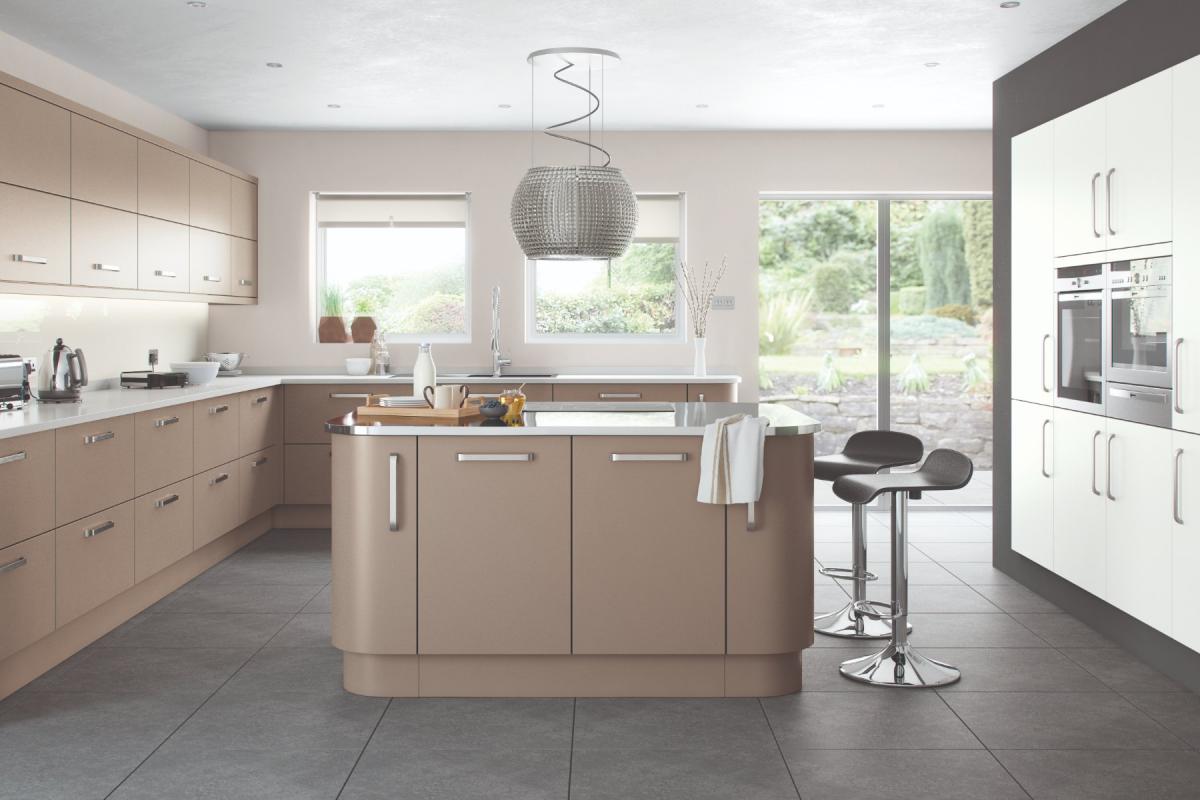
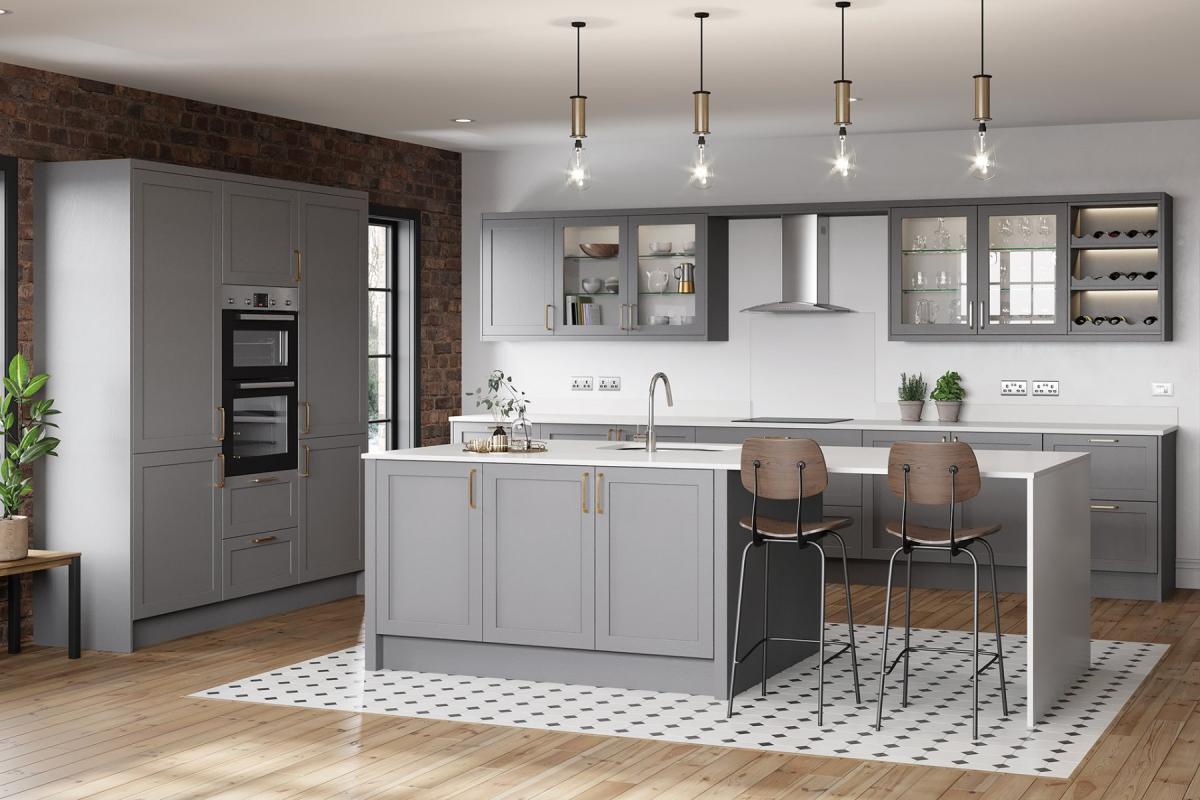
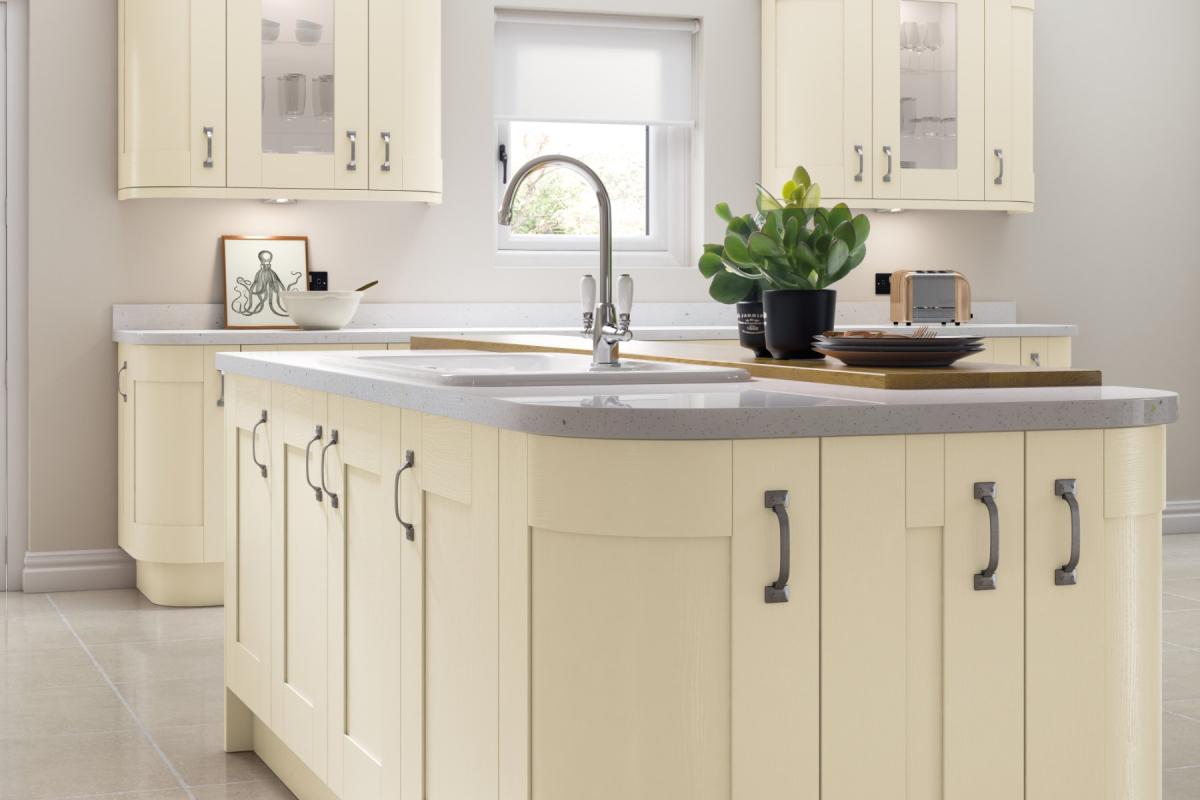
Traditional handles offer an enormous variety of styles, from classic cup handles and knobs to modern bar handles and T-bars. They provide a clear grip point, making doors easy to open. Handles also allow you to add personality and flair — think brushed brass for luxury, matt black for drama, or brushed nickel for timeless elegance.
The Case for Handleless
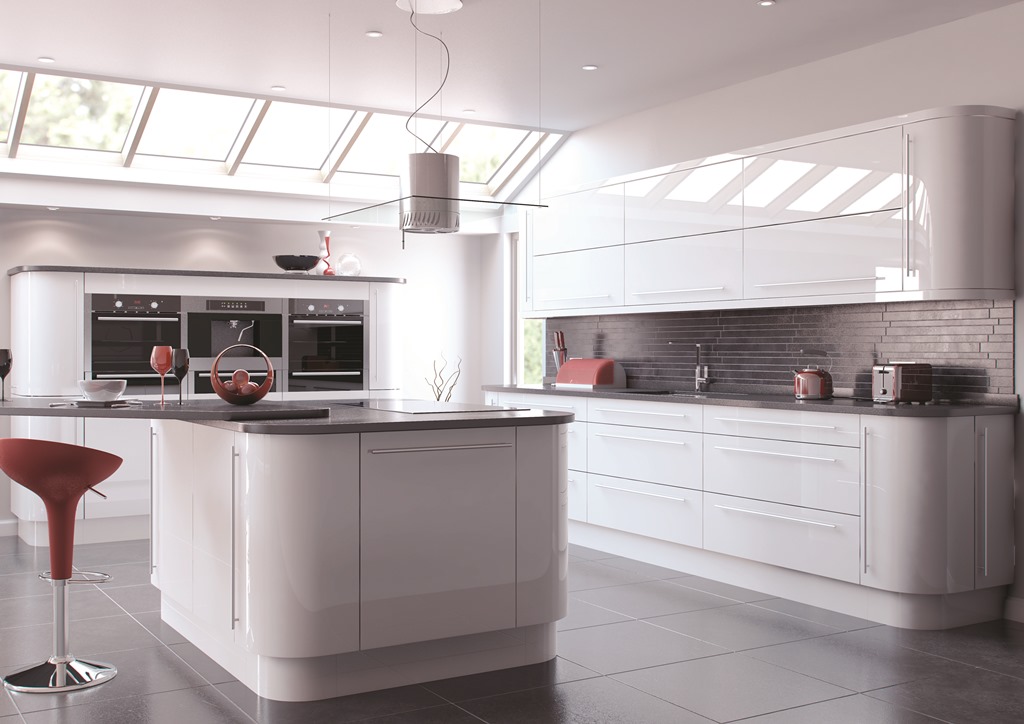
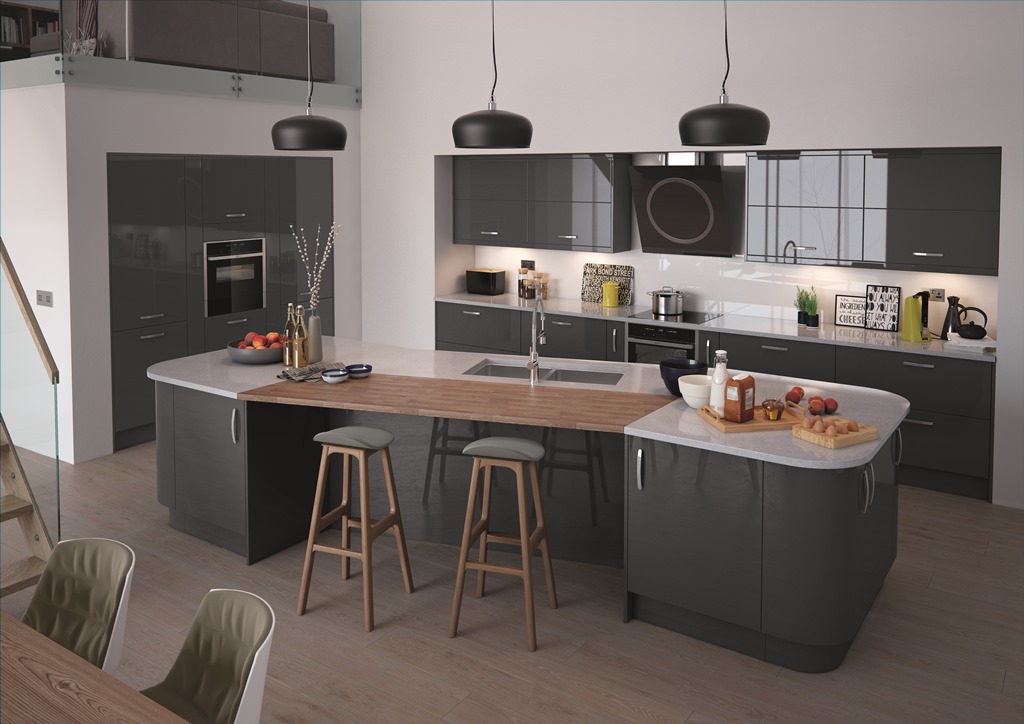
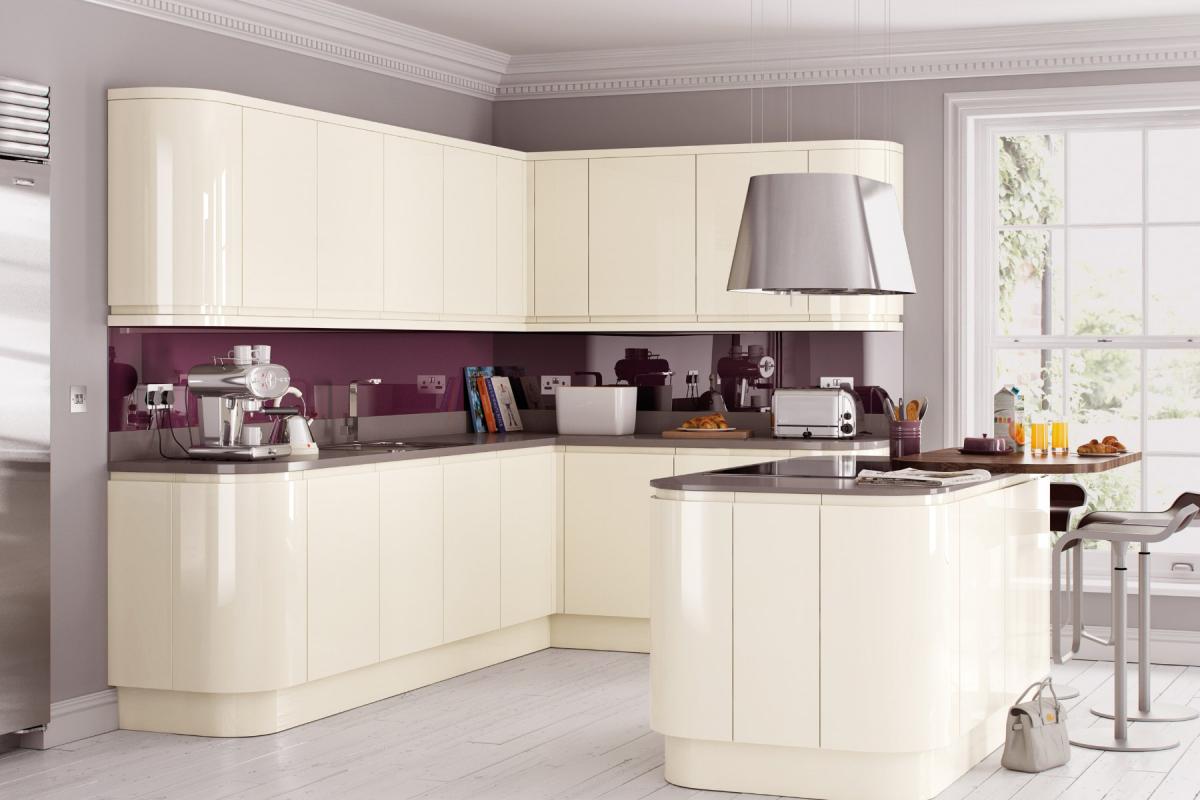
Handleless kitchens create clean, uninterrupted lines that are the hallmark of contemporary design. They use either push-to-open mechanisms or integrated rail profiles. The absence of protruding handles means no snagging on clothing and easier cleaning of door fronts.
Practical Considerations
- Cleaning: Handleless kitchens have smoother surfaces to wipe, but rail profiles can collect dust. Handles create a barrier that protects the door surface from fingermarks.
- Cost: Handleless systems can be slightly more expensive due to specialised hardware and profiles.
- Durability: Both options are equally durable when quality hardware is used.
- Resale Value: Both styles appeal to buyers when well-executed.
The Best of Both Worlds
Many of our customers opt for a combination — handleless base units with handled wall units, or vice versa. This hybrid approach adds visual interest while offering practical benefits.
Explore our range of handles and handleless profiles to find your ideal kitchen style.