
How to Measure Replacement Kitchen Doors for a Perfect Fit
Ordering replacement kitchen doors? Learn how to measure your existing doors correctly, check hinge positions and avoid common sizing mistakes before placing your order.
How to Measure Replacement Kitchen Doors for a Perfect Fit
Ordering new kitchen doors is an exciting way to give your kitchen a different look, but there is one job worth getting right before you choose your favourite style: measuring.
It might seem straightforward, but ordering the wrong size can lead to unnecessary delays and the frustration of doors that don't fit properly. The good news is that measuring your existing kitchen doors is usually quite simple, provided you know what to check.
Whether you're planning a complete kitchen refresh or replacing just a few damaged doors, here's how to measure accurately and what to consider before placing your order.
1. Measure your existing kitchen doors
If your current doors are still fitted and you're replacing them like for like, measuring the doors themselves is usually the best place to start.
You will need a tape measure, a notepad and a pen. A second person can also be helpful when measuring larger doors.
Follow these steps:
Measure the width: Measure from the left edge of the door to the right edge.
Measure the height: Measure from the top edge to the bottom edge.
Record the thickness: Note how thick the existing door is, as this may matter when checking compatibility with your hinges and fittings.
Write down every measurement: Record the width and height clearly, preferably in millimetres.
For example, if a door measures 596mm wide and 716mm high, write down those exact measurements rather than rounding them to the nearest convenient size.
Take your time and measure carefully. Don't assume every door in the kitchen is identical, even if they look the same at first glance.
2. Make a list of every door and drawer front
One of the easiest mistakes to make is measuring a few doors and assuming the rest are the same.
Kitchen layouts often contain a mixture of sizes, particularly around corner units, integrated appliances, tall cabinets and drawer stacks.
A simple list will help you keep track of everything you need.
For each door or drawer front, record:
Its location in the kitchen.
Its width and height.
Its thickness, where relevant.
Whether it is a left-hand or right-hand door, if this affects the fitting.
Any unusual features or special fittings.
You could label them as "under-sink door", "cupboard beside oven" or "top wall cabinet". This makes it much easier to match the measurements to the correct units when you're ready to order.
If you're replacing several doors, double-check the list before submitting your order. A few extra minutes at this stage can save a lot of hassle later.
3. What if a kitchen door is missing or damaged?
If you cannot measure the existing door, don't guess its size.
Start by measuring the cabinet opening from edge to edge, both horizontally and vertically. However, the opening measurement is not necessarily the finished door size.
The correct door dimensions depend on how the original kitchen was designed, including the cabinet construction, the amount the door overlaps the cabinet and the gaps required between neighbouring doors.
If you have another matching door elsewhere in the kitchen, measuring that door may provide a useful reference. If not, check the cabinet specifications or seek advice from a kitchen fitter or the door supplier before ordering.
This is particularly important for older kitchens, where the original door sizes or fitting arrangements may be difficult to identify.
4. Check the hinge positions before ordering
Measurements aren't just about width and height. You also need to consider how the new doors will attach to your existing cabinets.
Look at the hinges on your current doors and check the following:
Where the hinges are positioned.
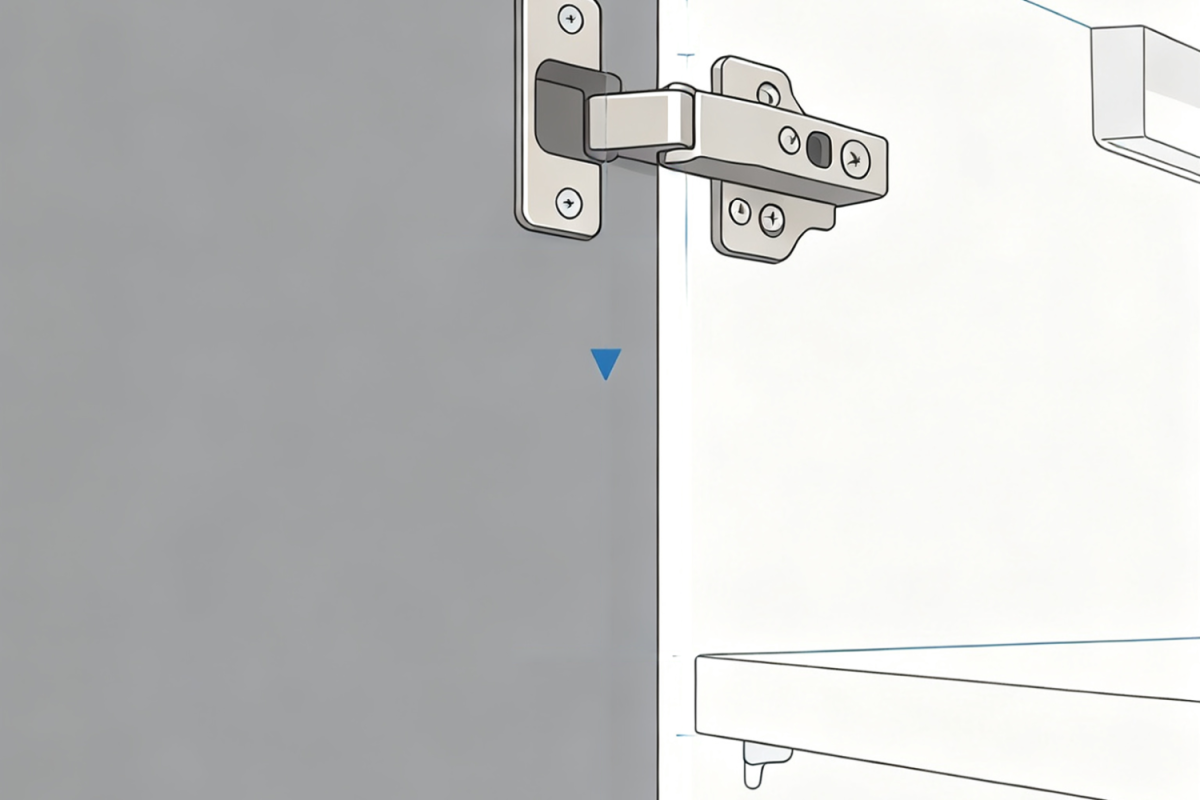
Whether the doors have concealed cup hinges.
The size and position of any existing hinge holes.
Whether the existing hinges can be reused with the new doors.
Don't assume that replacement doors will automatically have compatible hinge drilling. Requirements can vary between door styles and suppliers.
If you're ordering doors that require hinge holes, confirm the drilling specifications before placing your order. Drilling in the wrong position can damage a new door.
If your existing hinges are worn or damaged, it may also be worth considering replacements. You can browse our kitchen hinges to explore the available options.
5. Standard or made-to-measure kitchen doors?
Once you've recorded your measurements, you can start looking at suitable replacement doors.
Standard-size doors may be suitable if your measurements match the sizes available in the range you choose. However, not every kitchen uses the same dimensions, and some older kitchens may have unusual sizes.
Made-to-measure doors are worth considering if your existing doors don't match the available standard sizes.
Before choosing, check the product dimensions carefully and confirm whether the doors are supplied with hinge holes or require separate preparation.
You can explore our made-to-measure kitchen doors if you need a more tailored option.
6. Choose a style and finish that suits your kitchen
With your measurements ready, you can concentrate on the part most people enjoy: choosing how the kitchen will look.
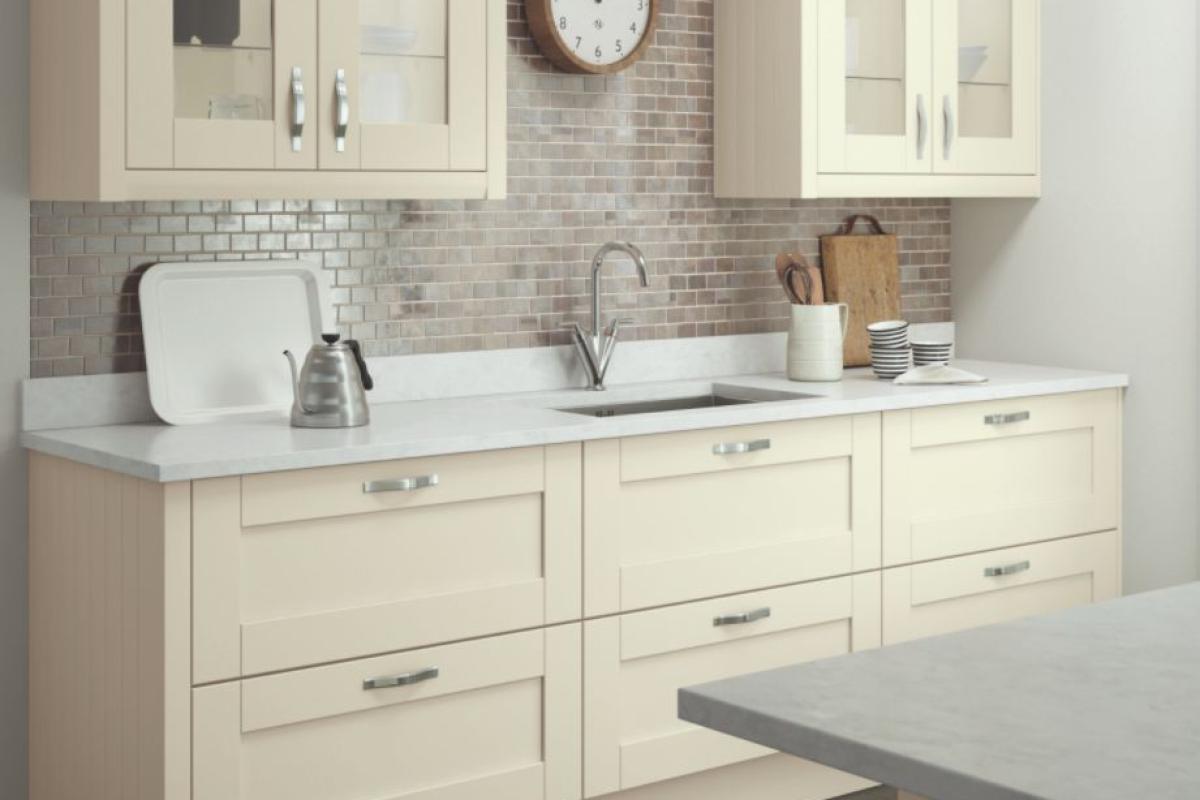
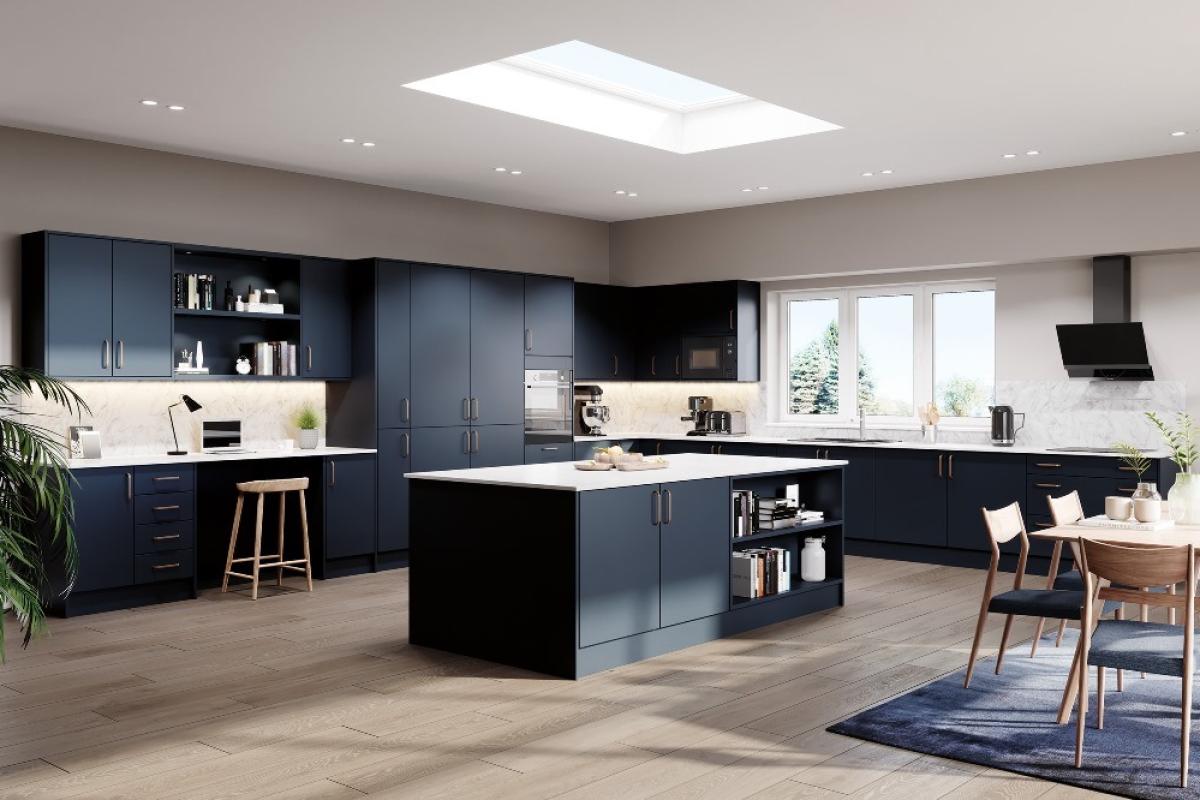
If you want a classic appearance, Shaker doors are a popular option. For a simpler, contemporary finish, slab doors offer clean lines and a more minimalist look.
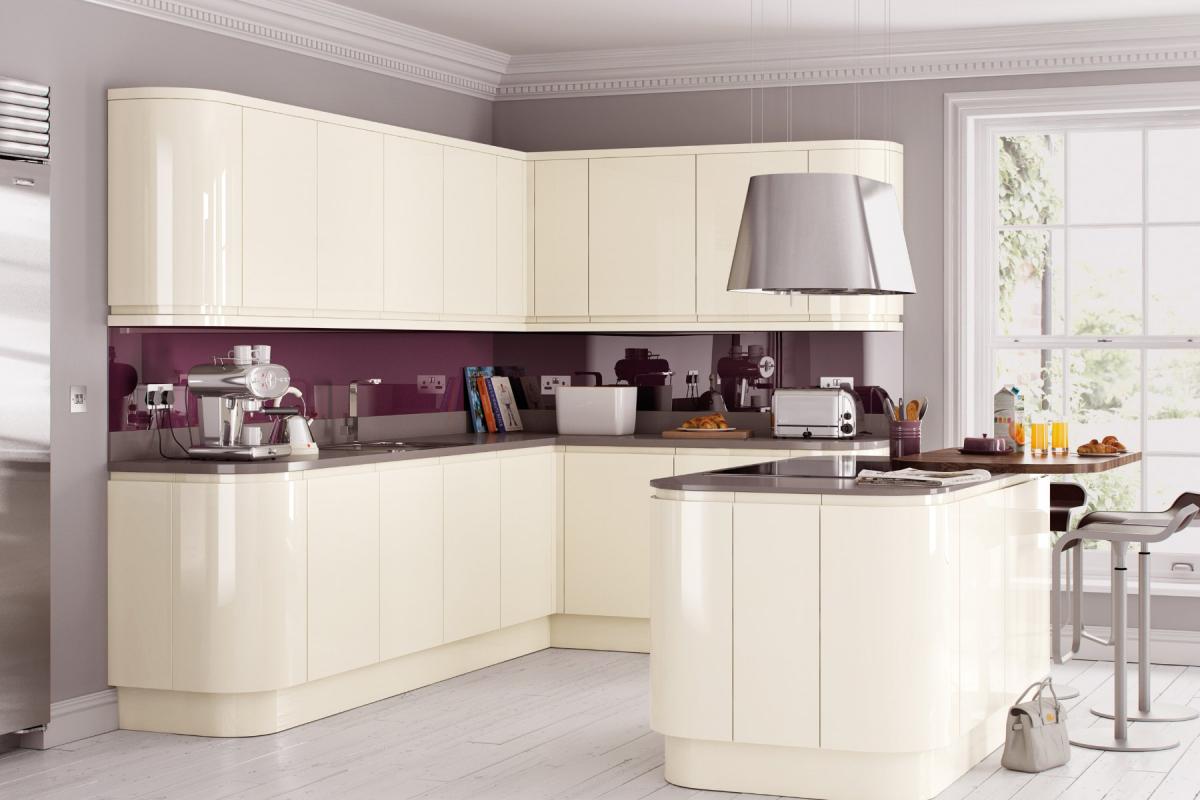
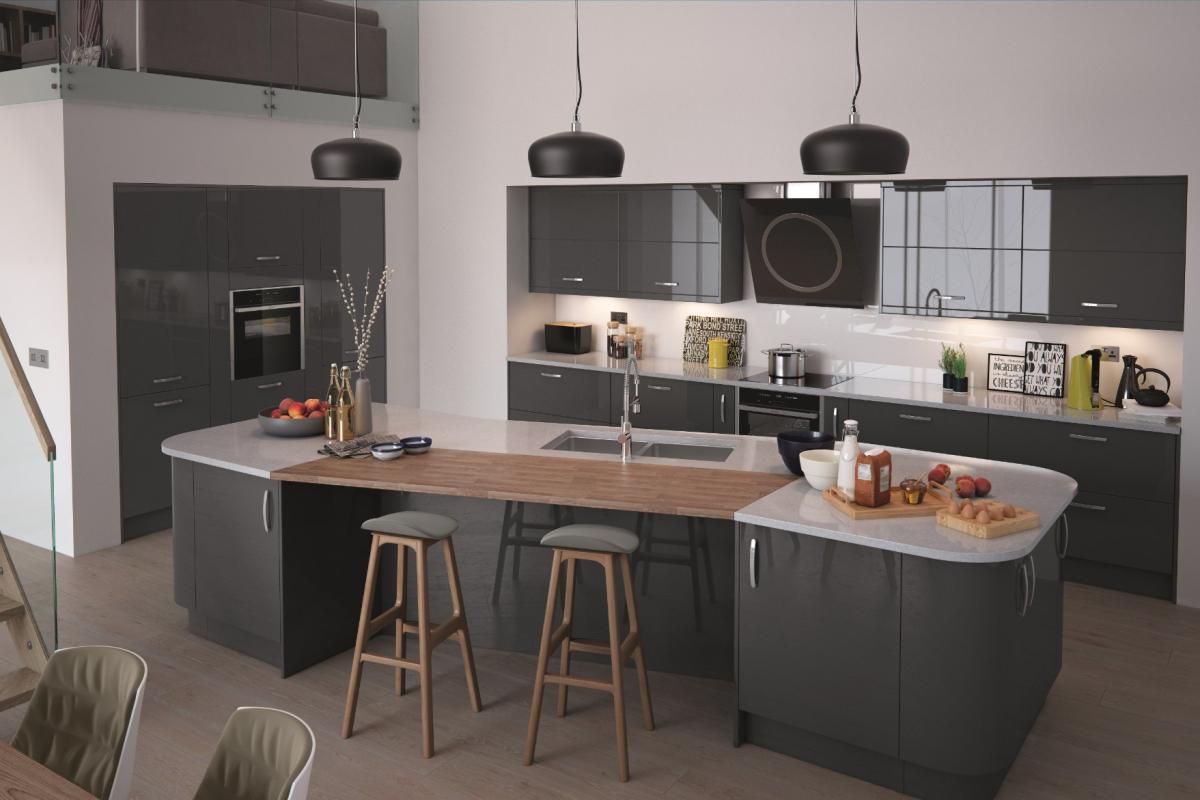
You should also think about the finish. Matt doors provide a softer appearance, while gloss finishes reflect more light. Colours such as white, grey and cashmere can work well in a range of kitchens, depending on your worktops, flooring and wall colour.
If you're changing the doors throughout the kitchen, consider how the new finish will look alongside your existing appliances and worktops.
Take a look through our kitchen door collection to explore the available styles and finishes.
Common measuring mistakes to avoid
Before placing your order, run through this quick checklist:
Don't assume all your kitchen doors are the same size.
Don't round measurements up or down.
Don't confuse the cabinet opening size with the finished door size.
Don't overlook hinge positions and drilling requirements.
Don't forget drawer fronts or smaller cupboard doors.
Don't order until you've checked the measurements and product specifications.
If anything is unclear, it is better to ask for advice before ordering than to risk buying doors that aren't suitable.
Ready to order your replacement kitchen doors?
Accurate measurements are the starting point for a successful kitchen makeover. Take your time, record each door separately and check the fitting requirements before choosing your new style.
Once you have your measurements ready, you can start comparing finishes and finding doors that suit your kitchen and budget.
Explore the kitchen door collection at Select Doors or browse our made-to-measure options if your sizes are unusual.
A little preparation now can make the whole replacement process much easier.